Blood Ties by Jo Nesbø
My rating: 1 of 5 stars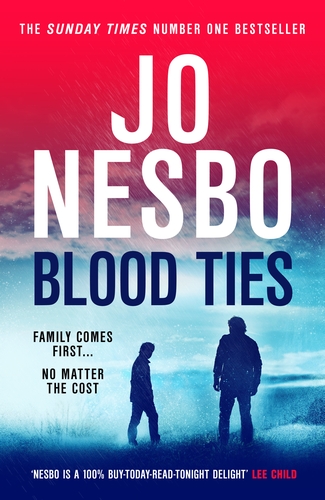
In these days of AI generated content, there is much talk about the ‘uncanny valley’ – where visual effects are neither purely cartoonish, figurative representations of reality; nor are they close enough to pass as photorealistic. Instead, they are in between, and create an uncanny sense of something that is ‘almost’ real.
Jo Nesbo’s Blood Ties occupies the uncanny valley of the written word, in between the genre of Scandi crime fiction, and actual literature. What makes the effect so unpleasant is that the book has some features of real writing to it. Nesbo wants to be a serious writer, and achieves that in places. At the same time, he is cursed with muscle memory from years of cranking out many, many scandi murder stories; he cannot quite escape the ridiculous and cartoonish tropes that made him a wealthy writer of comfortably bad genre fiction.
What results is simply awful. A truly unlikable protagonist named Roy who plods through the uni-dimensional, clumsy plot at a slow and pedestrian pace, yet still finds time to embroil himself in action scenes that are as unrealistic as they are unnecessary.
Worst of all is the warped moral lens through which the reader is forced to view Roy and his uninspiring mission to build a roller coaster in rural Norway. Nesbo tries hard to make the reader sympathise with this guy by backsplaining his childhood abuse into the narrative with a blunt instrument, yet even the heavy spice of child abuse feels so uncannily fake as to leave us emotionally cold. Meanwhile, in the present time, Roy’s brute-boy morality and sordid affair with a young woman are the side plot to his attempts to escape justice for the many murders we know he and his brother Carl committed in the past. Is Roy remorseful? It’s actually hard to say, because the character is so poorly written. Perhaps sensing that the child abuse doesn’t quite make Roy the likeable underdog the author was hoping to craft, Nesbo resorts to making the minor characters even less charismatic than the protagonist, so that Roy can shine by comparison.
It doesn’t work. Nesbo’s warped moral lens does little more than give the reader a headache and make him want to leave that depressing Norwegian town forever. Whatever Roy’s childhood, however corrupt and petty the cops and bankers that inhabit the town of Os, most of me wanted him to get caught and go to jail. But I didn’t want it badly enough to keep reading. I made it about halfway through, before committing my own sort of crime:
Leaving my paperback copy of Blood Ties at an Airbnb, for some other unsuspecting reader to suffer the same fate as me.
View all my reviews